

TEECH bridges schools and their communities by supporting educators to learn community-based ways of knowing and being, while also offering the collective care, coaching, and connection that early career teachers need to thrive in a challenging profession.
Immersive Community-based Learning
Immersive Community-Based Learning centers community as the teacher. Educators learn with and from local communities through relationships, shared experiences, and collective inquiry, grounding their practice in the lived knowledge, histories, and wisdom of the people they serve.

Belonging and Well-Being
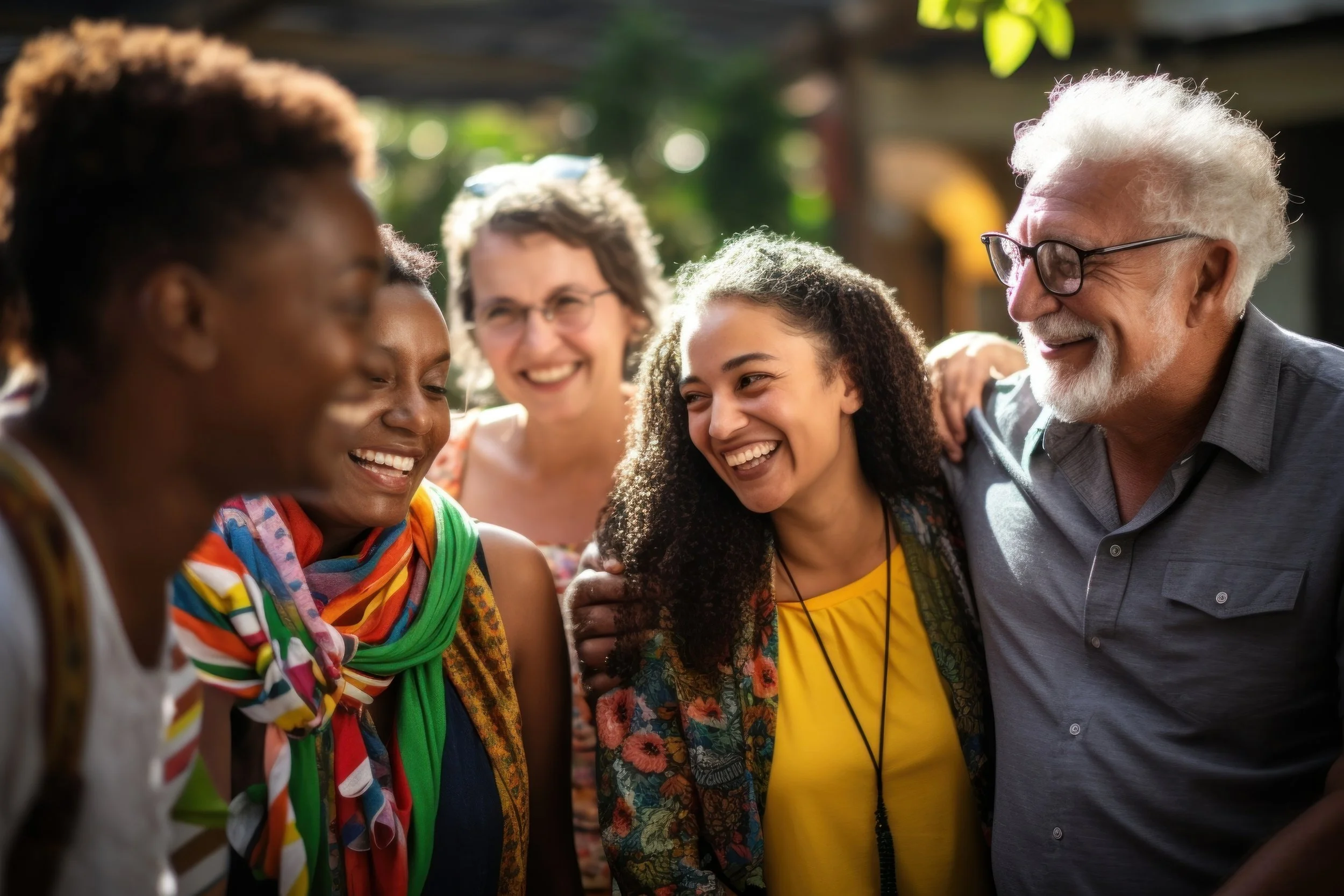
TEECH brings together teachers from all backgrounds who share a commitment to culturally responsive and community-centered education. Grounded in research on teacher retention and well-being, TEECH sustains early-career teachers as they develop the complex skills of centering students’ cultures and community-based ways of knowing in their classrooms. Teachers not only learn to center their students’ identities, but also how to build the resilience needed to thrive in the work of transformational teaching.
Partnering with Education Systems & Schools
TEECH partners with schools, districts, educational organizations, and universities to strengthen the conditions that support educator retention, well-being, and culturally responsive practice. By complementing existing preparation, induction, and mentoring efforts, TEECH helps bridge the gap between what educators need to thrive and the realities of teaching in culturally diverse communities.

Hear what TEECH-ers have to say about our History, Identity and Place Program
In this short video, you’ll hear from educators who participated in TEECH’s Summer Community Learning Immersion Program. Through deep engagement with local community spaces and organizations, participants explored the histories of minoritized communities, the layered identities within those communities, and the meaning of place in shaping experience. The immersion is designed to help educators develop a richer understanding of the diverse ways of knowing and being that the communities our schools serve embody. Culturally responsive leadership begins with deep community knowledge—and this experience invites educators into that work.